When investing in thermal break aluminum profile assembly equipment, production capacity is one of the first things manufacturers need to evaluate. A machine with a high rated output does not always deliver the same results in daily production.
Actual output depends on profile design, processing time, operator efficiency, machine configuration and the overall production workflow.
1. Profile Design and Processing Requirements
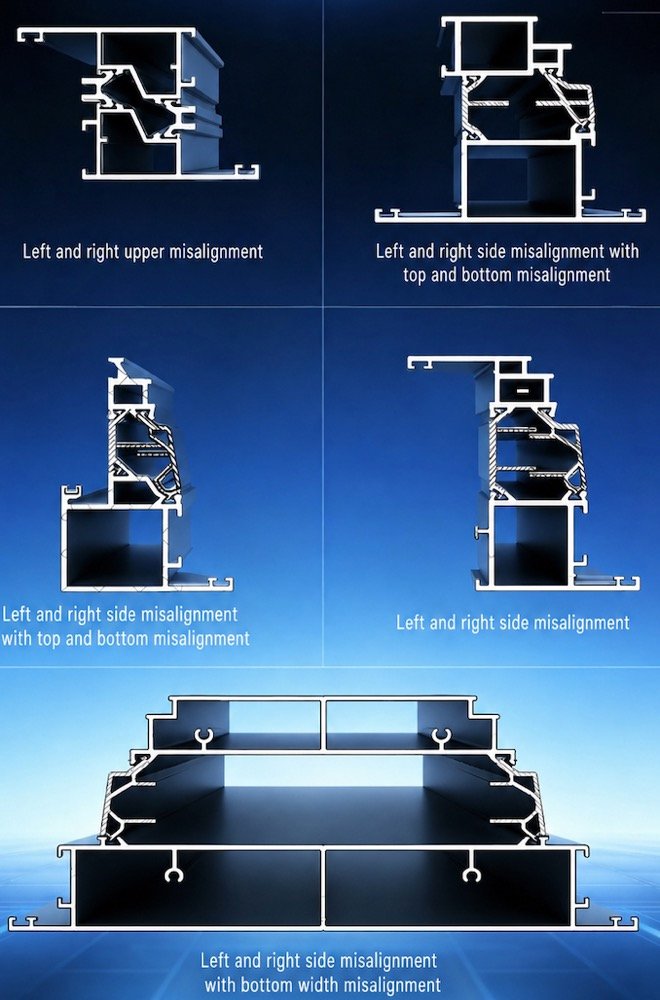
Different aluminum profile designs may require different processing settings. Profile dimensions, groove design, thermal barrier strip specifications and positioning requirements can all affect production time.
Before selecting a machine, manufacturers should evaluate the profiles they produce most frequently and identify any special processing requirements.
2. Knurling and Strip Insertion Efficiency
Knurling prepares the aluminum profile grooves before PA66 polyamide thermal barrier strips are inserted. Consistent positioning and stable processing help reduce interruptions and repeated adjustments.
A CNC knurling and strip insertion machine can help manufacturers manage these operations more consistently, particularly when processing multiple profile designs.
3. Rolling and Crimping Performance
After strip insertion, the aluminum profile moves to the rolling and crimping stage. The machine must apply suitable processing settings for the profile and thermal barrier strip combination.
Profile changes, setup adjustments and quality checks can affect the overall production cycle. Choosing equipment that matches the actual profile range is therefore important.
4. Manual Operations and Automation
Production capacity depends not only on machine speed but also on material handling and operator workload.
Manual loading, profile positioning, transfers between machines and finished-profile handling can all create bottlenecks. An automatic assembly line coordinates these operations to reduce repetitive manual work and improve workflow consistency.
For manufacturers planning to increase output, it is worth evaluating the complete production process rather than comparing individual machine speeds alone.
5. Single Machines or a Complete Assembly Line?
The right configuration depends on your production volume, available space and investment plan.
Individual machines may suit smaller operations or factories upgrading a specific processing stage.
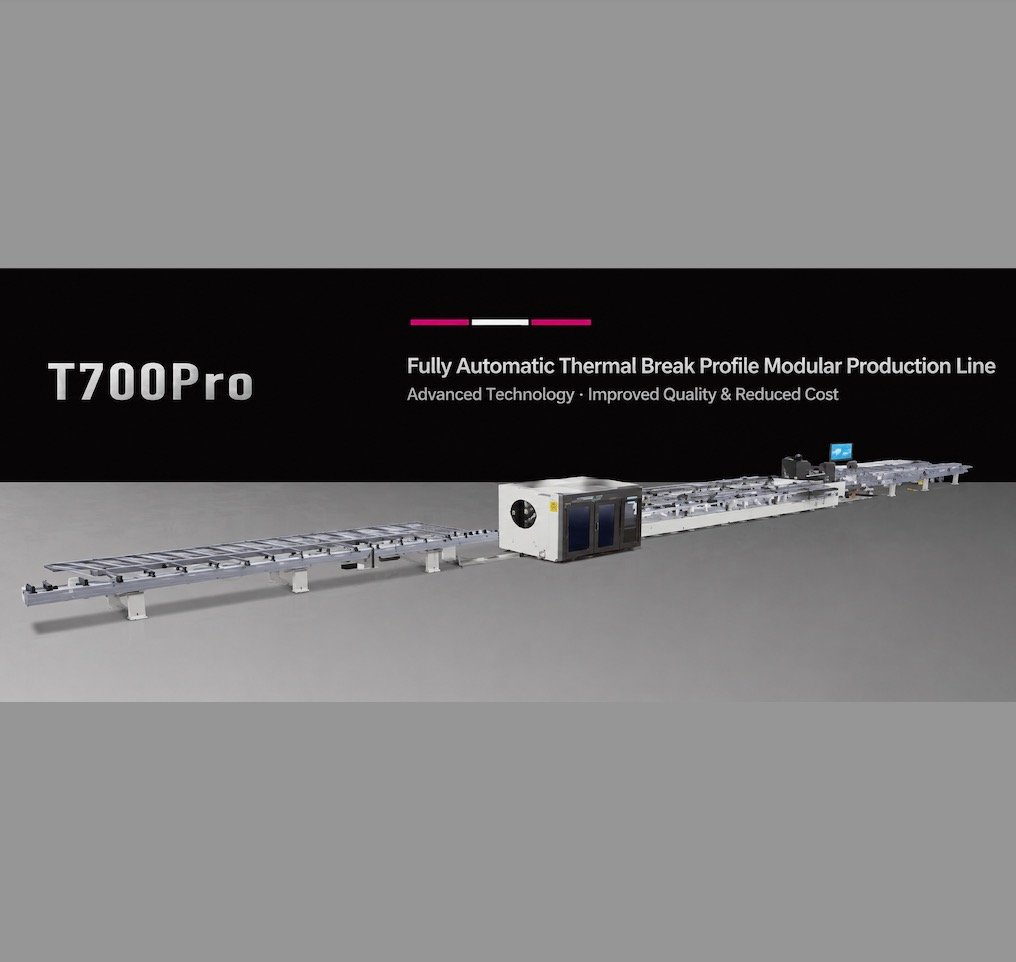
A complete thermal break assembly line may be more suitable for manufacturers seeking coordinated knurling, strip insertion, rolling and crimping operations.
Before making a decision, compare expected output, operator requirements, changeover time, factory layout and future production plans.
6. How to Estimate Your Production Requirements
Before requesting a quotation, prepare the following information:
- Aluminum profile drawings and dimensions
- PA66 thermal barrier strip specifications
- Main profile types and product mix
- Target output per hour or shift
- Current production process and staffing
- Available factory space
These details help equipment manufacturers recommend a configuration based on your actual requirements instead of relying on rated machine speed alone.
Choosing Equipment for Long-Term Production
The right thermal break assembly equipment should match your profile designs, target output and operating conditions. Stable processing, practical changeovers and coordinated material handling all contribute to production efficiency.
MAKERL provides thermal break aluminum profile assembly machines and automatic production lines covering profile knurling, polyamide strip insertion, rolling and crimping.
Planning a new production line or upgrading existing equipment? Send your profile drawings and production requirements to discuss a suitable machine configuration.
发表回复